Surfing in Tofino: What to Know Before You Go
Why Tofino Is Famous for Surfing
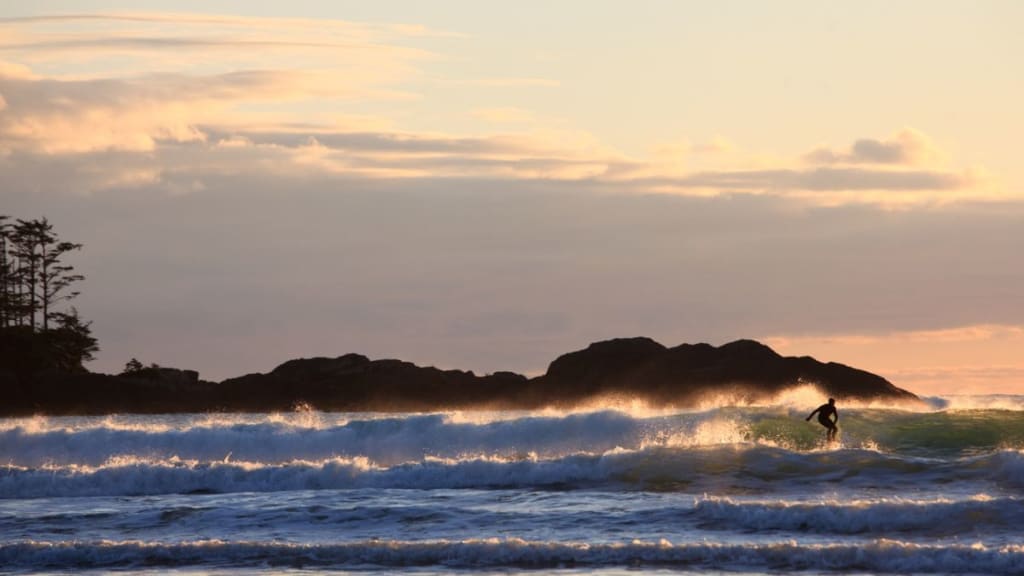
Tofino is known as the surf capital of Canada. It sits on the west coast of Vancouver Island, facing the open Pacific Ocean. This means the waves can be strong, steady, and fun all year.
You do not need to be an expert to surf in Tofino. Many people come here for their first surf lesson. Others come back each year for bigger waves, stormy skies, and the wild beauty of the coast.
What makes Tofino special is not just the surfing. It is the full experience. You can surf beside tall rainforest, walk on wide sandy beaches, watch the sunset, and warm up with coffee after your session.
Best Time to Surf in Tofino
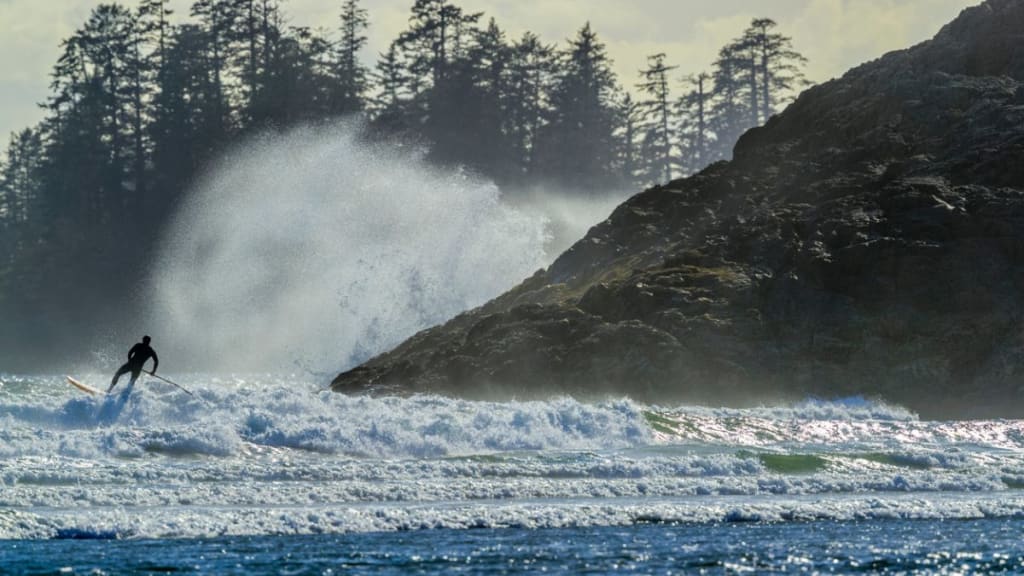
Surfing in Tofino is genuinely a year-round sport, but the conditions change drastically depending on when you visit.
The water temperature hovers between 7°C and 14°C (45°F–57°F) depending on the season.
While you will need a high-quality hooded wetsuit year-round, the ocean's energy and wave mechanics shift dramatically with the calendar.
Spring (April-May)
The shoulder season sweet spot. The bitter cold of winter breaks, daylight stretches longer, and the intense summer crowds haven't arrived yet.
Tofino also hosts the Rip Curl Nationals during this time (usually May).
March and early April still get residual, powerful winter swells from the northwest.
By late April and May, the waves begin to back down into clean, highly manageable, fun-sized peaks. Some years bring coveted south swells toward May.
Excellent for intermediates looking to push their skills on larger waves early in the season, and beginners by May when the ocean mellows out.
Summer (June–August)
Best time of year for beginners, families, and longboarders.
Cleaner, smaller, and more manageable swells. Days are long and sunny, making the cold water feel much more inviting.
This is peak tourism season. Lineups get crowded, and you must book surf lessons and rentals well in advance.
Autumn (September–October)
The sweet spot for intermediate surfers.
The water is at its warmest (relatively speaking), summer crowds thin out, and early winter swells start rolling in, creating highly reliable, clean conditions.
October is officially "Surf Month" in Tofino, kicking off major local events like the Queen of the Peak women's championships.
Winter (November–March)
Best for experts, pros, and hardcore storm-watchers.
Massive, heavy Pacific swells batter the coast. It brings world-class, powerful technical waves, but also strong currents and harsh weather.
It is strictly for experienced surfers who can handle heavy conditions and a 5/4mm wetsuit setup complete with thick booties, gloves, and hoods.
Best Surf Beaches in Tofino
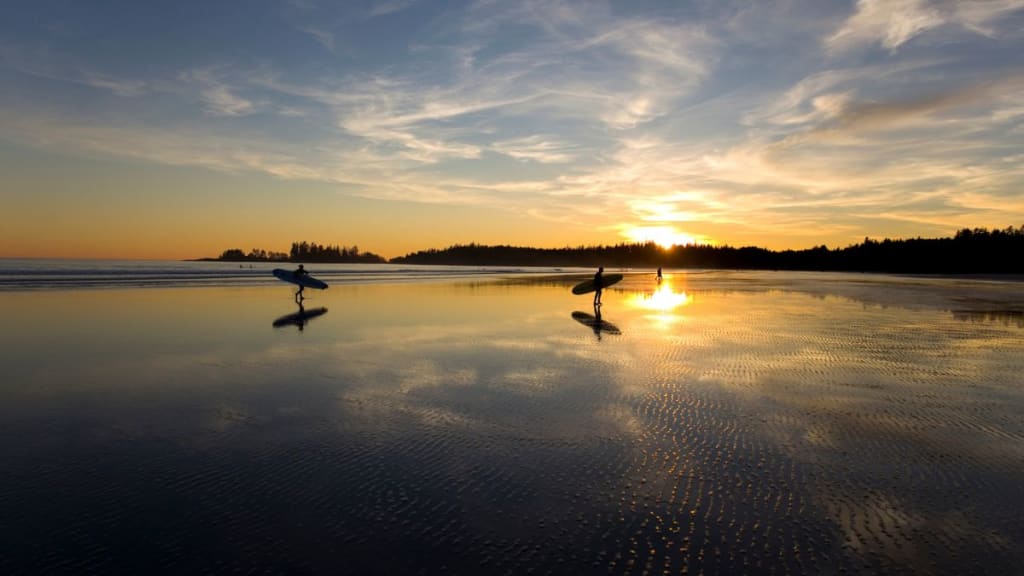
Tofino has several popular surf beaches, and each one feels a little different.
Some are best for beginners. Others are better for longboarders, stronger surfers, or people looking for bigger, faster waves.
Most of the main surf beaches are not in the village center itself. They are in the Tofino area or nearby Pacific Rim National Park Reserve.
Surf conditions can change quickly with tide, swell, wind, and season, so always check the forecast before going in.
Cox Bay Beach
Cox Bay is one of the most famous surf beaches in Tofino. It is wide, open, and known for steady waves.
Many surf contests and surf sessions happen here. The waves here are often more powerful and faster, making it a favorite for intermediate and advanced riders.
Chesterman Beach
Chesterman Beach is one of the best-known beaches in Tofino. It is beautiful, long, and popular with walkers, families, and surfers.
Many beginners take lessons here because it has a sandy bottom and lots of space.
The beach is split into North and South Chesterman, and conditions can change from one end to the other.
South Chesterman is the ultimate beginner’s classroom with its gentle, peeling waves.
North Chesterman is a classic loggers' (longboarders) paradise, offering smooth rides in a stunning setting.
Long Beach
Located within the Pacific Rim National Park Reserve, this massive stretch of sand offers numerous peaks. It is iconic for its vastness and the dramatic backdrop of the temperate rainforest.
Surf conditions at Long Beach can change with tide, swell, and wind. Some days are gentle. Other days are too strong for beginners.
Incinerator Rock / Long Beach Area
Incinerator Rock is part of the Long Beach area in Pacific Rim National Park Reserve.
It is not always listed as a separate beach, but surfers often use it as a landmark within the Long Beach surf zone.
This area can offer different peaks depending on the tide and swell. It is a good spot to know if you are exploring Long Beach and want to understand where surfers may gather.
Wickaninnish Beach
Found at the southern end of the Long Beach unit, "Wick" is known for having a heavier, more challenging shore break that provides a rugged experience for experienced surfers.
Florencia Bay
Florencia Bay is in Pacific Rim National Park Reserve, closer to Ucluelet and is reached by a trail of about 1.2 km with wooden stairs.
Florencia Bay is known for its sand cliffs, quieter feel, and more remote beach setting.
It is less crowded than the main Tofino surf beaches, but it is also less convenient. The walk in, stairs, and more remote feel make it better for surfers who are comfortable planning ahead.
tinwis Beach, Formerly Mackenzie Beach
tinwis Beach, formerly known as Mackenzie Beach, is much more sheltered than Cox Bay, Chesterman, or Long Beach. Because of this, it is not a classic everyday surf beach.
However, it can sometimes work when the bigger open-ocean beaches are too rough.
Some local surf guides describe Mackenzie/tinwis as a fall-back option during large winter systems because it is more sheltered than the main surf beaches.
Quick Reference Guide: Surfing Spots in Tofino
Beach | Skill Level | Best Tide | Highlight |
Cox Bay | Intermediate+ | Mid to High | Most consistent swell in Canada |
South Chesterman | Beginner | Mid | Protected and gentle waves |
North Chesterman | Intermediate | Mid | Longboarding and sunset sessions |
Long Beach | All Levels | Mid to Low | Vast space and iconic park scenery |
Incinerator Rock / Long Beach Area | Intermediate | Mid to low | Extra peaks within the Long Beach zone |
Wickaninnish Beach | Advanced | Mid to Low | Heavy shore break and rugged vibe |
Florencia Bay | Intermediate | Mid to low | Quieter surf and sand cliff scenery |
tinwis Beach / Mackenzie Beach | Beginner-friendly only in rare calm surf | Varies | Sheltered backup when other beaches are too big |
Lessons, Gear & Costs
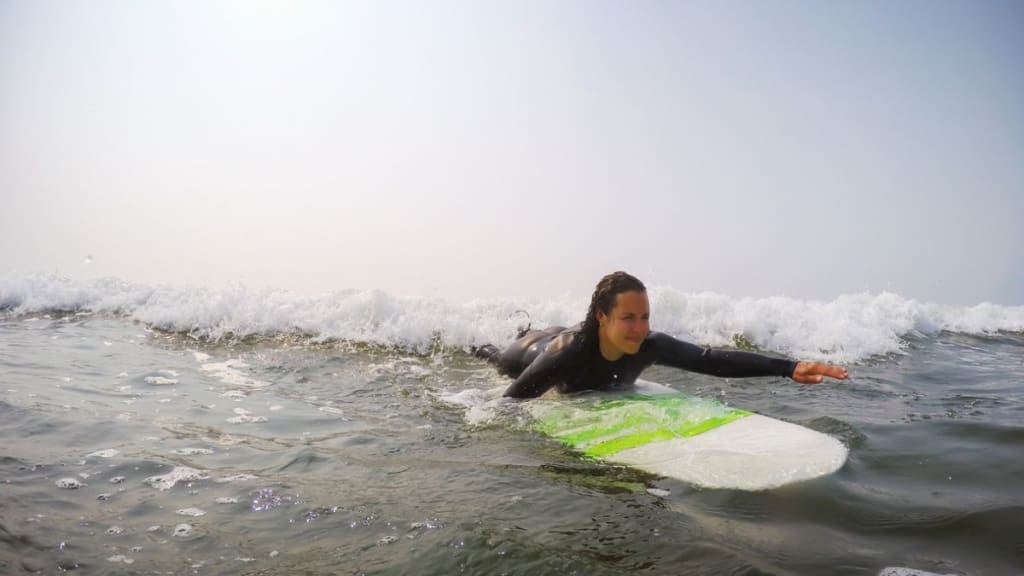
If you are new to the sport, navigating the Pacific ocean by yourself can be intimidating.
Booking a lesson is highly recommended to learn local safety protocols, wave mechanics, and ocean etiquette.
Prominent local outfitters include:
Surf Sister: A legendary, women-led school that has been introducing people to the sport for decades in an incredibly supportive environment.
Pacific Surf Co: Known for top-tier coaching for both beginners and intermediates looking to level up.
Tofino Surf School: Offers great private and family-focused coaching.
Lessons typically include your surfboard, a thick wetsuit, and all necessary accessories, along with an instructor who will stay with you in the water.
Surfing can be tailored to a variety of budgets, depending on whether you need a guide or just the gear.
Quick Reference Guide: Estimated Tofino Surf Lesson and Gear Rental Costs
Expense Type | Estimated Cost (CAD) | Notes |
Gear Rental Only | $50 – $70 / day | Includes a surfboard and a full wetsuit package. |
Group Lesson | $90 – $130/ person | Usually 2.5 to 3 hours; includes all gear rentals. |
Private Lesson | $250 – $400+/person | Ideal for personalized progression or families. |
Beach Parking | $3/ hour | Managed by the District of Tofino or Parks Canada. |
If you are visiting during the summer, skip the paid beach parking and avoid the gridlock by taking the Tofino Free Shuttle, which accommodates surfboards.
Tofino Surfing Competitions
Tofino's premium wave quality has made it a focal point for competitive Canadian and international surfing.
The Rip Curl Nationals: Held annually in May at Cox Bay, this event brings together Canada's top shortboard surfers to compete for national titles and qualification spots for Team Canada on the international stage.
Queen of the Peak: An iconic all-women’s surf championship held every autumn (usually late September or October) at Chesterman Beach. It celebrates and elevates women's and girls' shortboarding and longboarding, drawing an incredible community turnout.
Vancouver Island Winter Surf Games: A rugged, weather-dependent winter specialty contest that showcases the community's true cold-water dedication.
Surfing Tips for First-Time Visitors
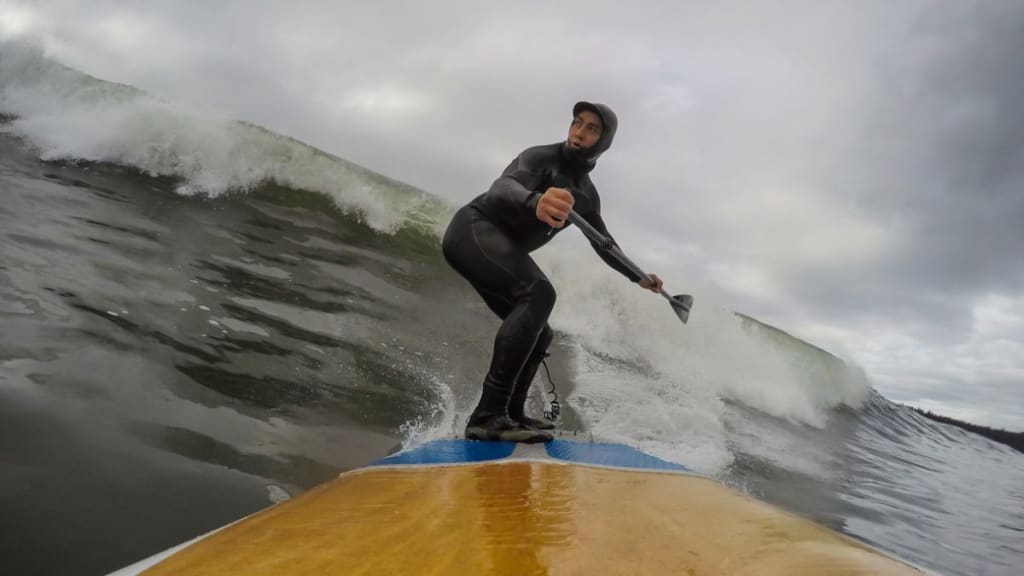
A high-quality 4/3mm or 5/4mm wetsuit is mandatory. In the cooler months, booties and gloves are essential to prevent hypothermia and extend your session.
Tofino lineups are generally friendly, but respecting the Right of Way (the surfer closest to the peak) is critical for safety.
Many beaches, particularly Cox Bay, have strong rip currents near the rocky headlands. Observe the water for a few minutes before entering to identify where the water is pulling outward.
There are no permanent lifeguards on Tofino beaches. Always surf with a buddy, know your limits, and if in doubt, don't go out.
Stay for sunset if the weather is clear. Tofino beaches are beautiful at the end of the day.
Final Thoughts
Surfing in Tofino is one of the best outdoor activities on Vancouver Island. It is fun, wild, and easy to try with the help of a local surf school.
Beginners can enjoy soft waves and friendly lessons. Experienced surfers can chase bigger swells in fall and winter. Even if you only watch from the beach, surfing is part of the Tofino experience.
Come ready for cold water, changing weather, and a lot of ocean beauty. That is what makes surfing in Tofino so special.